
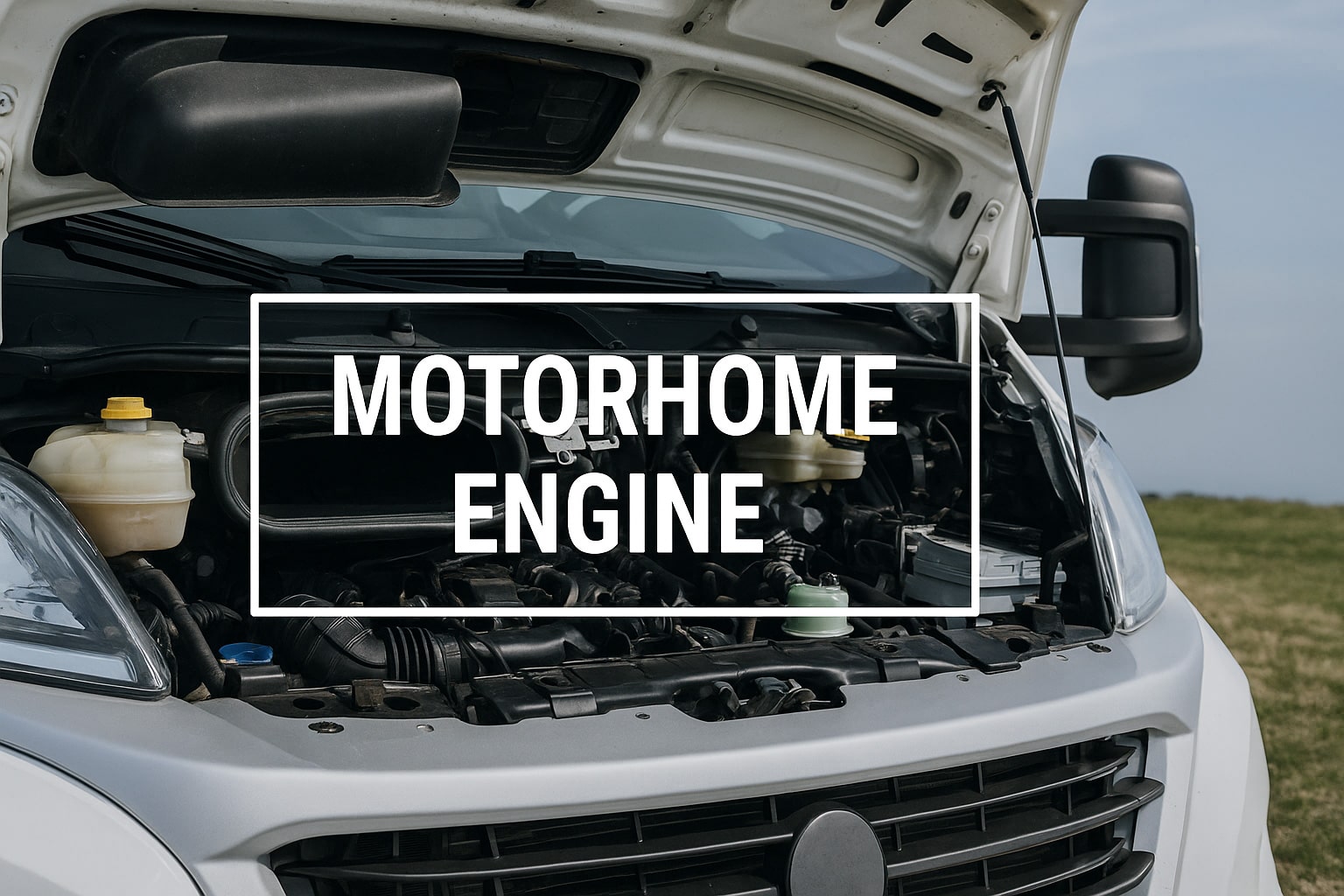

There’s a common misconception that allowing your motorhome to rest for months is a good way to extend the lifespan of the engine, but that’s false, because that’s one of the fastest ways to degrade your motorhome.
Seals dry out, batteries sulfate, and fuel quietly absorbs moisture. Ironically, the less you drive, the more important your maintenance schedule becomes.
And when you do head out, remember your rv engine works harder than a car’s. Hauling more mass up long grades in the heat puts it through duty cycles that demand regular attention.
Proactive service is what saves you from breakdowns on the road and helps protect motorhome resale value down the line.
One of the smartest habits you can build is keeping written service logs. Jot down dates, mileage or hours, and the parts and fluids you’ve used.
Not only does this give you peace of mind, but many warranties also expect documentation. Your motorhome’s engine, whether gas or diesel, thrives on structure, and that starts with intervals you can trust.
Oil changes every 3,000–7,500 miles for gas (most owners aim for 4,000–6,000) or roughly every 20,000 for diesel. Air filters around 12,000–15,000 miles.
Gas fuel filters every 30,000 miles or 2 years; diesel fuel filters at least annually. Serpentine belts last 50,000–60,000 miles, timing belts around 50,000–90,000 or 5 years, while transmission fluid is best swapped every 30,000–60,000 miles.
Don’t forget brake fluid (2–3 years) and coolant flushes (2–5 years) to keep the cooling system healthy.
Even batteries need attention. A fully charged starting battery should read about 12.6 volts at rest. Cleaning corrosion from terminals and topping up distilled water on serviceable types keeps cranking power strong .
In this guide, we’ll focus on how you can turn these maintenance tips into habits that extend your motorhome’s lifespan, protect against costly repairs, and give you confidence every time you turn the key.
What is a Motorhome Engine?
A motorhome engine is a high-output internal combustion system designed to deliver strong low-RPM torque and maintain stability under sustained thermal loading.
Unlike a regular engine found in a car, an RV engine integrates with auxiliary systems such as vacuum or hydro-boost for the braking system, power steering pumps for safe wheel control, and alternator output to support house batteries during a road trip.
Electronic engine management, or ECU, governs the coordination of fuel and ignition in gasoline units, injection timing in diesel engines, turbo boost levels, and emissions control through EGR, DPF, and NOx systems. It can also apply protective derates, commonly called limp mode, to prevent engine failure.
This integration ensures the motorhome’s engine continues functioning properly under heavy loads, long grades, and varying climates, giving you reliability, value, and peace of mind when you travel.
How Does a Motorhome Engine Work?
RV engines operate on the principles of intake, compression, combustion, and exhaust.
Gasoline engines use spark plugs for ignition, while diesel engines rely on high-compression injector timing to achieve combustion. The ECU manages these processes with closed-loop feedback: oxygen, MAF, and MAP sensors on gas units; MAP, NOx, and DPF differential pressure sensors on diesel engines.
This feedback helps maintain the correct air–fuel ratio, fuel economy, and emissions compliance.
Turbochargers increase airflow into the cylinders, while charge-air cooling sustains density on long climbs. Intercoolers, however, can heat-soak under extended loads, reducing efficiency if maintenance tasks such as air filters and coolant checks are neglected.
Continuous monitoring of fluid levels and ensuring the fuel system remains clean with timely fuel filter replacement directly influences the condition of your motorhome’s engine.
Once you see the big picture of intake, compression, combustion, and exhaust, it’s time to break things down into the individual components that keep the process functioning properly.
What are the Key Components of a Motorhome Engine?
The engine block forms the foundation, housing the crankshaft, cylinders, and lubrication passages.
The cylinder head and valvetrain regulate airflow and combustion timing, while induction components such as turbochargers and intercoolers increase efficiency under heavy loads.
Fuel delivery includes injectors, high-pressure rails, and pumps, ensuring the system supplies clean, measured fuel for combustion.
In gasoline engines, ignition relies on coils and spark plugs, while diesel engines depend on precise injector function.
The ECU synchronizes these parts, adjusting fuel and spark or injection timing while monitoring conditions through sensors.
Emissions hardware extends this system: diesel engines use EGR valves and coolers, diesel particulate filters with active and passive regens, and SCR dosing with DEF. Gasoline units employ a three-way catalytic converter and O2 sensors.
Accessory drives play a vital role: the serpentine belt powers the alternator, water pump, A/C compressor, and power-steering pump.
Failures here risk overheating or loss of steering assist. Common sensor issues, such as faulty MAF/MAP, O2, or crank position units, can trigger limp mode, warning lights, and drivability problems.
What Motorhome Engine Types Are Available?
There are two main engine categories: gasoline and turbo-diesel.
Gasoline engines can be naturally aspirated or turbocharged, while diesels are almost always turbocharged for added airflow and torque.
Each type fits different RV chassis and use cases, so it’s not just about horsepower—it’s about how the engine delivers power across your travels.
Smaller Class B and Class C RVs often rely on petrol engines ranging from 2.8 to 3.5 liters, while large US-style chassis can carry 6.8 liter gasoline units.
European-style cabs and many mid-size platforms tend to run turbo-diesels in the 2.2 to 3.0 liter range, and light-truck-based rigs may use larger 5.0 to 5.2 liter diesels.
You’ll also find that even within the same platform, manufacturers may offer multiple power variants, such as a 96 kW versus 132 kW tune, depending on expected loads, journeys, and the importance of fuel efficiency.
Choosing the right option requires looking beyond specifications in a manual and focusing on your road conditions, planned trips, and maintenance schedule.
Turbo-Diesel Engines
Turbo-diesel engines dominate in heavier motorhomes because of their ability to produce strong torque at low RPM, which is essential when towing or climbing grades. Boost from the turbocharger creates a flat torque curve, and intercoolers maintain charge density even under high loads.
In most RVs, you’ll see common displacements around 2.2 to 3.0 liters, though truck-based Class A rigs can use 5.2 liter four-cylinder diesels for added strength.
These engines provide practical advantages: better fuel economy under load, longer service lifespan, and available engine-braking systems that help reduce wear on brake pads and brake fluid during long descents. The trade-offs are higher upfront cost and more complex emissions systems, including DPF and DEF service items.
With the basics in mind, let’s explain why turbo-diesels are so widely chosen for motorhomes across different classes.
Why Are Turbo-Diesel Engines Widely Used in Motorhomes?
The appeal of turbo-diesels comes down to usable torque, fuel efficiency, and durability. Low-RPM torque improves drivability on steep 6–8% grades, reducing the need for frequent downshifts and keeping the RV engine within its most efficient range.
This behavior not only makes the journey smoother but also lowers fuel consumption when the vehicle is under heavy load.
Engine-braking options add another safety layer, reducing stress on the braking system and preventing overheating in brake fluid during long descents.
Modern emissions systems, EGR valves, diesel particulate filters, and SCR with DEF dosing, have reduced harmful particulates and NOx emissions significantly. The trade-off is more attention to engine maintenance, including monitoring regen cycles and DEF quality.
Still, when you regularly check fluid levels, keep to the recommended services, and pay attention to early signs of problems, a turbo-diesel motorhome’s engine often reaches the upper end of lifespan ranges.
Diesels have clear advantages, but gasoline engines also play a major role, especially in certain builds, so let’s explore those next.
Gasoline (Petrol) Engines
Gasoline engines remain common in many RVs because they balance affordability, fueling convenience, and straightforward maintenance.
You’ll notice that torque delivery peaks higher in the RPM range compared to a turbo-diesel, which means gearing and revs play a bigger role when climbing grades.
These engines are often quieter at idle and use simpler emissions hardware, making them easier to maintain.
However, they require more frequent oil changes, spark plug inspections, and attention to air filters to keep the motorhome’s engine functioning properly.
Fuel availability is another advantage. You can find gasoline almost everywhere during a road trip, which gives you peace of mind when traveling through remote areas.
Class B and Class C rigs typically rely on smaller displacement petrol engines, while larger US-style chassis use big-block gasoline units.
To see where gasoline power fits, let’s look at the two smaller petrol engines first.
2.8L / 3.5L Petrol Engines
These smaller petrol engines are commonly paired with Class B and compact Class C RVs. Their strengths include lower purchase cost, smooth drivability in urban areas, and adequate performance for lighter builds.
For a traveler using the vehicle mainly on highways or city roads, this option offers dependable service and manageable maintenance tasks like oil filter and fuel filter changes.
The main limitation is torque delivery at low RPM. When payloads increase or you attempt prolonged climbs, the engine may struggle, leading to more wear on the cooling system and transmission.
If you regularly check fluid levels and follow a consistent maintenance schedule, these engines will provide dependable performance.
6.8L Petrol Engines
Larger 6.8L gasoline engines appear in heavier RV chassis designed for towing and long-distance travels. They deliver stronger pulling power in the gas segment, making them suitable if you haul extra gear or tow a car behind your motorhome.
This strength comes with a cost, fuel economy is noticeably lower compared to smaller petrol engines or turbo-diesels.
You should expect frequent downshifts on long grades, which puts added strain on the cooling system and transmission fluid.
Regular maintenance becomes critical: oil changes, inspections of belts and hoses, and timely replacement of the timing belt if equipped.
Attention to the braking system, including brake pads and brake fluid, ensures safety when carrying heavy loads.
Since both diesel and petrol options exist, the real question is: which engine is best for your motorhome?
Which Engine Is Best for a Motorhome?
The best engine for a motorhome depends on how you balance weight, terrain, and long-term costs.
If you drive heavier rigs or tow additional loads, a diesel RV engine is usually the better choice because of its torque delivery at low RPM and ability to sustain performance on steep grades.
For lighter builds, especially in Class B or compact Class C models, a gasoline option may be more cost-effective and easier to maintain.
You should also consider how weight affects the decision. Two similar-length coaches can vary by 300 to 400 kilograms, and that difference makes stronger torque tunes much more practical. A motorhome’s engine is not only about power but about fuel economy, cooling system stability, and reliability across many miles.
Once you compare performance, cost, and fuel economy, the final step is figuring out how to choose the right engine for your own travel style.
How to Choose the Right Motorhome Engine for Your Needs
Choosing the right RV engine requires looking beyond brochures and focusing on real-world performance.
The smartest step you can take is to test drive multiple options, paying close attention to hill starts, merge ramps, and cabin noise.
These experiences give you a clear picture of how the engine responds under load and what kind of fuel efficiency you can expect.
You should prioritize key metrics over brand hype.
These include displacement, horsepower, torque delivery, fuel economy, emissions compliance, and overall reliability.
Maintenance tasks such as oil changes, replacing the oil filter, monitoring brake fluid, and inspecting air filters should fit easily into a maintenance schedule.
Daily checks like topping engine oil, coolant, and transmission fluid levels should not be complicated.
Here are the most important factors to consider when choosing your motorhome’s engine:
- Torque curve vs. GCWR: Match pulling strength to vehicle weight and terrain.
- Service access: Consider how close you are to authorized service and how simple it is to perform regular maintenance.
- Fuel availability: Gasoline offers a wider network, while diesel provides efficiency under heavy loads.
- Long-term value: Maintenance records, parts availability, and lower risk of breakdowns contribute directly to reliability and resale.
How Long Does a Motorhome Engine Typically Last?
A well-maintained diesel motorhome engine often lasts between 200,000 and 300,000 miles, while gasoline engines frequently reach 150,000 to 250,000 miles or more with careful use.
The actual lifespan depends on duty cycle, service records, and storage practices. An RV engine that spends most of its life on steady highway journeys at stable temperatures will usually outlast one used for frequent short trips, stop-and-go traffic, or long storage periods without fuel stabilization.
Does Maintaining Motorhome Engine Matter?
Yes, maintaining your motorhome’s engine matters because it directly affects safety, performance, and long-term value.
The RV engine powers not only the vehicle but also systems that keep you safe on the road. Vacuum or hydro-boost assists braking, and the power steering pump ensures wheel control during merges and tight turns.
If you neglect maintenance tasks such as oil changes, checking belts, or topping power steering fluid, you increase the risk of breakdowns and costly motorhome repairs.
Performance and fuel efficiency also depend on regular engine maintenance. Clean engine oil and fresh filters reduce friction, allowing the system to function properly while improving fuel economy.
Documented services, from brake fluid checks to battery terminal cleaning, protect resale value by showing buyers the vehicle was cared for.
When you keep up with these inspections, you avoid problems like overheating in the cooling system, leaks in hoses, or engine damage from neglected parts.
How Does Motorhome Maintenance Influence Resale Value?
Routine engine maintenance has a direct impact on motorhome value because it proves the vehicle has been reliable, safe, and efficient over time.
Buyers look for service records that show consistent oil changes, timely belt and hose replacements, coolant flushes, and documented repairs.
A motorhome with a clean history and a folder of receipts stands out immediately on the used market. It tells the next owner that they are less likely to face surprise breakdowns or expensive engine work right after purchase.
Well-maintained engines usually start easier, run smoother, and deliver better fuel economy on test drives, which helps justify a higher asking price.
In contrast, visible leaks, warning lights on the dash, noisy start-ups, or smoke from the exhaust signal neglect and give buyers leverage to negotiate the price down.
Staying ahead of maintenance also speeds up the sale itself. A coach that passes a pre-purchase inspection with minimal notes inspires confidence, reduces haggling, and widens your pool of interested buyers.
In short, disciplined engine care today helps you protect your motorhome value and keeps more money in your pocket when you decide to sell your motorhome.
What Are Common Engine Problems and Defects in Motorhomes?
Cooling system issues are frequent: low coolant, a blocked radiator, or a failed thermostat can quickly lead to overheating and potential engine damage.
Oil leaks from aged gaskets or seals are another risk, creating messy debris under the vehicle and reducing lubrication.
Sensor failures are also widespread. A faulty MAF or O2 sensor in a gasoline RV engine can cause poor fuel economy and misfires, while a bad NOx sensor in a diesel can trigger limp mode.
Gasoline engines may also suffer from coil or spark plug issues, while diesels often face injector wear or clogged DPF systems. Air filters can clog faster if you travel dusty roads, and exhaust systems may rust from condensation during storage.
Battery drain is another recurring problem, especially when vehicles sit unused for long periods.
What Are Early Warning Signs of Engine Trouble You Shouldn’t Ignore?
A sudden drop in fuel efficiency, persistent misfires, or rising coolant temperatures on grades are all red flags that the RV engine may not be functioning properly.
Hard starts, unexplained stalls, or changes in exhaust smoke color are also signals that should not be dismissed.
To make diagnosis easier, you should document conditions carefully. Record RPM, gear, coolant temperature, ambient heat, and even altitude if possible.
This information helps a mechanic pinpoint issues and prevents unnecessary motorhome repairs. Correlating dashboard warning lights with these symptoms gives you a clearer guide to risks before they become breakdowns.
Keeping a maintenance schedule, oil changes, filter replacements, brake fluid checks, and transmission fluid inspections, minimizes the chance of sudden engine failure.
What Noises Indicate Trouble (Knock, Tick, Squeal, Rattle)?
Unusual noises provide critical signs of engine condition. A sharp ticking often points to low engine oil or excessive valvetrain lash, while a deep knock may indicate worn bearings or detonation under load.
Grinding noises during startup are linked to worn starter drives. High-pitched squeals usually come from glazed belts or tensioner wear, both of which can affect alternator output and power steering fluid circulation.
Rattles may originate from loose heat shields or exhaust components, and ignoring them risks further damage or overheating in the cooling system.
If you hear consistent changes in noise, note when they occur, idle, acceleration, or climbing grades, and share those details during inspection.
We’ve established that sounds matter, but so does what you see, especially when it comes to exhaust smoke.
What Does Excessive Exhaust Smoke Mean?
Exhaust smoke color is one of the most visible maintenance tips you can rely on.
Blue smoke indicates oil is being burned, often from worn valve seals, piston rings, or leaks past the turbo seals.
Black smoke during acceleration suggests a rich fuel condition, clogged air filters, or fuel system imbalance, lowering fuel economy and risking engine damage.
White smoke has two categories: thin vapor on startup may be harmless condensation, but thick white smoke with a sweet odor signals coolant intrusion into the combustion chamber.
This condition often comes with rising engine temperature and can point to a head gasket failure or cracks in the motorhome’s engine block.
Documenting when the smoke appears, at idle, under load, or on cold start, provides your mechanic with valuable information.
If exhaust looks unusual, fuel economy may also start slipping, so let’s connect the dots there.
Why Did the Fuel Economy Suddenly Drop?
A sudden decline in fuel economy in your motorhome can point to several engine-related issues that require attention.
Problems with O2 or MAF sensors often disrupt fuel system balance, leading to excessive fuel use.
Low compression in cylinders may also reduce combustion efficiency, while dragging brakes can cause the RV engine to work harder, increasing wear on brake pads and brake fluid.
Misfires from worn spark plugs or coil packs further reduce fuel efficiency and risk long-term engine damage.
External conditions matter too. Under-inflated tires create extra rolling resistance, roof cargo adds drag, and A/C compressor loads on long climbs put strain on the motorhome’s engine.
Each factor compounds the problem, making it vital to regularly check fluid levels, tire pressure, and maintenance tasks like oil changes and replacing the oil filter.
After you’ve figured out the problem with fuel economy, the next thing on the list is the dash warning lights and when you should actually panic.
Which Dash Warning Lights Matter Most?
Modern RVs provide clear signals when the engine or related systems need immediate attention.
The most critical lights include the check engine light (CEL), oil pressure, and coolant temperature indicators. Ignoring these can result in severe engine damage or complete engine failure. Diesel-powered rigs also include DEF and DPF alerts, which monitor emissions compliance.
If you dismiss these, you risk limp mode, an ECU-controlled condition that limits performance to protect the motorhome’s engine.
Repeatedly aborted DPF regens or poor DEF quality create problems that require immediate service.
These issues directly impact fuel economy, lifespan, and safety during a road trip. You should also pay attention to any light that relates to braking system assist or transmission fluid temperatures, since both affect control on steep grades.
When warning lights stay on, you may also face starting or stalling problems that deserve close attention.
Why Is the Engine Hard to Start or Stalling?
Hard starts or unexpected stalls are signs you should not overlook in motorhome maintenance. Weak batteries, corroded battery terminals, or poor grounding can prevent the RV engine from cranking reliably.
Fuel system issues also play a role: low pressure, a clogged fuel filter, or air intrusion after filter changes in a diesel setup can all cause starting problems.
In gasoline RVs, vapor lock in extreme heat can block fuel delivery.
Sensors such as crankshaft or camshaft position units are another common culprit. If they fail, the engine may start intermittently or stall at random. Immobilizer problems in modern vehicles can also mimic engine failure symptoms.
You should regularly check fluid levels, belts, and hoses, but also pay attention to electrical grounds and service items like the timing belt and spark plugs. Beyond starting, the next clues often show up as physical symptoms like leaks or overheating.
What Physical Symptoms Point to Problems?
Puddles under the RV are one of the most obvious warnings.
You should identify leaks by color, feel, or smell: green or orange fluid points to cooling system issues, while dark, slick patches suggest engine oil leaks.
If you notice oily residue on intercooler boots, it may indicate a turbo seal beginning to fail.
Overheating is another symptom you should not ignore.
Rising temperatures on grades or during heavy loads often trace back to a clogged radiator, worn belts, or low coolant levels.
Sluggish acceleration can result from restricted air filters, fuel filter blockages, or worn spark plugs.
Each of these problems lowers fuel efficiency, increases wear, and raises the risk of engine damage. When you notice leaks or overheating, you need to know exactly what steps to take at the moment.
What Should You Do Immediately After Noticing These Signs?
If you spot warning signs during a road trip, the first step is to pull over safely. Switch on hazard lights and find a secure area away from traffic.
Once stopped, perform quick checks: note dashboard lights, photograph leaks or puddles, and scan for error codes if you have a diagnostic tool. This documentation provides a guide for both you and any mechanic who services the motorhome later.
When facing overheating, use a simple protocol. Turn the heater to full hot, switch off the A/C, and let the engine idle to stabilize fluid temperatures.
Never open a radiator or coolant reservoir cap while the system is hot, as this risks burns and further engine damage. If oil pressure drops or you see smoke, towing is the safest option.
How Do You Perform a Fast Visual Inspection?
A quick inspection can reveal many issues before they become breakdowns. With the engine off, check belts and hoses for cracks, bulges, or leaks.
Verify fluid levels, including engine oil, transmission fluid, brake fluid, and power steering fluid, to confirm the system is functioning properly. Look for loose connectors, corrosion on battery terminals, and puddles beneath the vehicle.
Smells also matter, burning oil, fuel, or coolant odors can point to hidden problems. Spin the fan clutch by hand when the engine is cool; if it free-spins with no resistance, replacement may be needed.
Inspect intercooler boots for residue and check for rodent damage to wiring if the RV was stored for long periods.
When Should You Use an OBD-II Scan and What Do Codes Tell You?
You should use an OBD-11 scan whenever the check engine light or other dashboard warning lights appear, especially if fuel efficiency drops, the cooling system overheats, or the RV engine stalls unexpectedly.
Codes come in two types: pending and confirmed. Pending codes may clear themselves if the issue doesn’t repeat, while confirmed codes indicate a problem that requires action.
It’s important not to clear codes before professional inspection. Doing so erases freeze-frame data, which records conditions such as RPM, coolant temperature, mileage, and load when the fault occurred.
That information helps a mechanic identify root causes faster, reducing the risk of unnecessary motorhome repairs. Instead, log the code, note fluid levels, and record the exact conditions.
When Should You Contact a Professional RV Mechanic?
Some engine symptoms are too serious to handle on your own and require immediate professional services. Overheating, oil pressure loss, or persistent misfires all pose a direct risk of engine failure.
Repeated diesel regeneration failures or DEF/DPF warnings also demand expert attention, since ignoring them can damage the fuel system and reduce lifespan.
Other signs include hard-start issues after a fuel filter change that won’t self-prime, milky engine oil indicating coolant contamination, or thick blue smoke under load, which points to worn seals or turbo problems. These conditions exceed routine maintenance tasks like oil changes, checking brake fluid, or replacing air filters. When you notice them, it’s best to stop your road trip and call a qualified mechanic.
How Do Maintenance Needs Differ Between Diesel and Gasoline Engines?
A diesel motorhome’s engine is designed for long-haul duty, offering extended oil change intervals that can reach 20,000 miles, but it also requires higher oil capacity and more attention to the fuel system.
You must replace the diesel fuel filter at least once a year, drain water separators, and manage exhaust aftertreatment through DPF regenerations and DEF quality checks.
Glow plugs and high-pressure injection systems add complexity, and neglecting them increases the risk of engine damage or reduced fuel efficiency.
Gasoline RV engines, on the other hand, need oil changes more frequently, usually every 3,000 to 7,500 miles, with many owners targeting 4,000–6,000 miles.
Spark plugs should be replaced at intervals between 30,000 and 80,000 miles depending on specifications, while ignition coils and wires should be inspected for wear. Unlike diesels, gas engines typically have simpler emissions components, which makes them easier to service but more dependent on regular tune-ups.
How to Perform Regular Engine Diagnostics and Interpret Fault Codes
Running diagnostics on your RV engine with an OBD-II or CAN-based scanner helps you spot problems before they lead to costly motorhome repairs. The system stores both pending and confirmed codes, with pending ones clearing if the fault doesn’t repeat and confirmed codes requiring attention.
Freeze-frame data shows the exact condition of the engine, RPM, fluid levels, coolant temperature, and load, when the issue occurred. You should regularly check readiness monitors, which track whether emissions systems have completed self-tests after repairs or code clears.
When logging data, pay attention to coolant temperatures on long grades, fuel trims, boost levels in turbo diesels, and exhaust gas temperatures.
Repeated fault codes, even if temporarily cleared, point to underlying problems that demand inspection. Clearing codes too soon can mask risks like misfires, cooling system leaks, or transmission fluid issues.
How Can Used-Oil Analysis (UOA) and Coolant Analysis Optimize Service Intervals?
Beyond standard oil changes, sampling engine oil and coolant provides deeper insight into your motorhome maintenance needs.
Used-oil analysis tests for fuel dilution, metal particles from wear, and total base number (TBN), which measures oil’s remaining protective capacity. Elevated levels of glycol may point to coolant leaks, which threaten engine longevity.
Coolant analysis checks pH balance, additive levels, and contamination that can compromise the cooling system. When you adjust oil and coolant service intervals based on these reports, you reduce breakdown risk while extending component health.
This approach allows you to tailor maintenance tasks to the actual condition of your RV engine rather than relying only on mileage or manual guidelines.
Beyond fluids, mechanical tests like compression and leak-down also reveal internal wear.
How Do You Run Compression and Leak-Down Tests?
Compression and leak-down tests give you a clear picture of your motorhome’s engine health. A compression test uses a gauge to measure cylinder pressure while the engine cranks, and should be done warm for the most accurate readings.
Healthy cylinders usually fall within a manufacturer’s specified range, and no cylinder should differ by more than 10–15% from another. Significant variance often signals valve, ring, or head gasket issues that could shorten the engine’s lifespan.
A leak-down test complements compression testing by pinpointing where air escapes. By applying compressed air to each cylinder at top dead center, you can detect leaks through intake valves, exhaust valves, piston rings, or coolant passages.
At the end, these mechanical results tie directly to electronic checks, like readiness monitors.
What Are OBD-II Readiness Monitors and Why Do They Matter for Inspections?
OBD-II readiness monitors track whether emissions-related systems have completed their self-tests. Each monitor evaluates components such as the fuel system, oxygen sensors, and evaporative controls.
If a monitor isn’t complete, state inspections may fail even if the check engine light is off.
Clearing codes or disconnecting batteries resets readiness monitors, which forces the vehicle through a drive cycle to recheck all systems.
Drive cycles include specific conditions like idling, acceleration, and highway speeds.
You should always complete these cycles before inspection so the RV engine proves it meets emissions standards. Once you understand readiness, logging live data helps prevent future failures.
How Can Basic Data Logging (Temps, Trims, Boost, EGT) Prevent Failures?
Data logging with an OBD-II scanner or advanced reader helps you spot problems before they become breakdowns.
On gasoline engines, watch parameters such as short- and long-term fuel trims, coolant temperature, and spark timing.
For diesel RV engines, focus on boost pressure, exhaust gas temperature (EGT), and injection timing.
By establishing baseline values when the motorhome is in good condition, you can recognize changes that signal wear or leaks in the cooling system, fuel system, or turbo components.
For example, rising EGTs on long grades may point to restricted air filters, while abnormal fuel trims may suggest a clogged fuel filter or vacuum leak. Data logging depends on using the scanner correctly, so the next step is learning best practices.
How Should You Use an OBD-II Scanner Effectively?
An OBD-II scanner is one of the most valuable tools for routine engine maintenance. To use it effectively, plug the scanner into the diagnostic port under the dashboard, switch the ignition to the “on” position, and follow the prompts.
Once connected, you can read fault codes, check freeze-frame data, and monitor live sensor values like fluid levels, coolant temperature, and transmission fluid pressure.
Here are the essential steps you should follow with an OBD-II scanner:
- Connect securely: Ensure battery terminals and connections are stable before scanning.
- Record data: Write down codes, mileage, and conditions for your maintenance schedule.
- Interpret results: Look up code definitions in the manual or trusted sources for accurate guidance.
- Share with a mechanic: Provide logs to your team so repairs are faster and more accurate.
How Often Should You Change Motorhome Engine Oil (Gas vs. Diesel)?
For gas-powered RV engines, oil service typically falls between 3,000 and 7,500 miles, with many travelers opting for 4,000 to 6,000 miles or at least once a year. Diesel motorhome’s engines often stretch service to around 20,000 miles, but this comes with higher oil capacity and the need to confirm through the owner’s manual and, ideally, used-oil analysis.
Duty cycle matters just as much, frequent short trips, heavy loads, or extended idling may shorten the interval.
When selecting engine oil, you should follow manufacturer specifications for viscosity grade and API/ACEA standards. Pair every change with a new oil filter to ensure contaminants don’t circulate back into the system.
What Does a Motorhome “Tune-Up” Include Today?
In modern motorhome maintenance, a tune-up means a full inspection paired with targeted replacements to keep your motorhome’s engine functioning properly.
For gas-powered RVs, spark plugs are often replaced every 30,000 to 80,000 miles depending on type, while the gasoline fuel filter is usually changed every 30,000 miles or about two years.
Diesel travelers should expect at least annual fuel filter replacement along with water separator draining to protect the fuel system.
A tune-up also checks vital components such as the oil filter, air filters, belts, hoses, and fluid levels including engine oil, brake fluid, power steering fluid, and transmission fluid.
Following a proper maintenance schedule ensures better fuel efficiency, smooth idle quality, safe starting, and lower emissions.
However, service intervals vary, so let’s begin with gas engines, and move to diesel.
How Should You Inspect and Replace Spark Plugs and Wires (Gasoline)?
Spark plugs play a central role in every gasoline-powered RV engine. You should regularly check them for wear, proper gap, and deposits, since worn plugs can cause misfires, sluggish acceleration, or poor fuel economy.
Replacement intervals range from 30,000 to 80,000 miles depending on whether you’re running copper, platinum, or iridium plugs.
Most modern vehicles use coil-on-plug systems rather than traditional distributors, but the inspection still matters. If your motorhome’s engine hesitates or the check engine light comes on with misfire codes, it’s time for replacement.
Always follow manufacturer specifications for gap settings, and replace wires or boots if they show cracks, corrosion, or poor insulation.
How Should You Service Fuel Filters (Gas & Diesel)?
Fuel filters are your first defense against contamination that can damage the fuel system. In gas-powered motorhomes, filters may be in-tank or inline and should be changed every 30,000 miles or sooner if you notice reduced performance, stalling, or difficulty starting.
For diesel RV engines, water-separating filters require extra attention. They should be serviced at least annually, and the water drain function should be used regularly to prevent corrosion and injector damage.
Clogged or saturated filters restrict fuel flow, leading to loss of power, overheating, or even engine failure on long road trips.
Replacing them according to the maintenance schedule keeps the engine functioning properly and extends its lifespan.
When Should Transmission Fluid Be Changed on a Motorhome?
Under typical motorhome use, change intervals fall around 30,000 to 60,000 miles, though heavy towing in the mountains or long hours in high heat may push you toward the severe-duty schedule in the manual.
Always use the manufacturer’s specified fluid, as the wrong type can damage clutches and seals.
Some owners choose a pan drain and filter service, while others prefer a full exchange for maximum fluid renewal.
During inspections, you should regularly check fluid levels and look for signs such as a burnt smell, darkened color, or debris, which suggest wear or overheating. Adding an auxiliary cooler helps protect the transmission on long road trips.
How Should You Inspect and Replace Engine Air Filters?
As a rule of thumb, you should inspect them every 12,000 to 15,000 miles, but dusty backroads or off-road trips can shorten that interval.
Gasoline engines typically use smaller filters, while diesel pushers often rely on large elements, sometimes paired with a restriction gauge to measure airflow.
When the filter appears clogged, airflow drops, or fuel economy declines, it’s time to replace it. Don’t confuse the engine air filter with the cabin filter, which protects you from dust and allergens but doesn’t affect performance.
Regularly checking both ensures your RV engine breathes clean air and reduces the risk of engine damage from dirt ingestion.
How Do You Check and Service Belts and Hoses?
The serpentine belt usually lasts around 50,000 to 60,000 miles, but squealing or glazing suggests tensioner or idler issues.
If your RV has a timing belt, expect replacement every 50,000 to 90,000 miles or about five years, depending on manufacturer specifications.
When inspecting belts, look for cracks, fraying, or uneven wear. Hoses should be checked for bulges, soft spots, or leaks, as weak coolant or PCV hoses can cause overheating or breakdowns.
Pay attention to clamps, battery terminals, and fluid levels while performing these inspections. By following a consistent maintenance schedule, you reduce the risk of engine failure and gain the peace of mind every traveler values.
How Should You Maintain Turbochargers and Charge-Air Systems?
A turbocharger adds efficiency and performance to your motorhome’s engine, but it also demands attention if you want it functioning properly for the long haul.
One of the most important habits is letting the engine warm up before heavy throttle and idling briefly after long climbs to protect bearings and prevent oil coking. Y
ou should regularly check clamps, hoses, and intercooler boots for leaks, since even a small boost leak reduces fuel efficiency and power on the road.
When performing motorhome maintenance, inspect for excessive shaft play, which can signal wear or impending turbo failure. Clean oil feed lines and use the correct engine oil and filter at every service interval to keep lubrication consistent.
How Do You Monitor and Maintain Critical Engine-Related Fluids (Beyond Oil)?
Coolant should typically be flushed every 2 to 5 years, depending on the manufacturer’s guidelines, to prevent overheating and corrosion in the cooling system.
Brake fluid absorbs moisture over time, so changing it every 2 to 3 years helps the braking system deliver consistent safety.
Power steering fluid should be checked for color and level during routine inspections, as dark or burnt fluid suggests wear. Washer fluid may seem minor, but it improves visibility during dusty or bug-heavy travels. Always use clear reservoirs or sight glasses to confirm fluid levels, and keep a maintenance schedule to record these checks.
How Do You Test and Maintain the Starting Battery for Reliable Engine Cranking?
A healthy RV battery should read about 12.6 volts at rest. You can use a load tester or multimeter to confirm state of charge, and if the voltage drops quickly under load, replacement may be due. Cleaning battery terminals removes corrosion that interrupts current flow and helps the engine crank reliably.
If your motorhome is stored, a maintainer prevents parasitic draw from draining the battery over time. In serviceable batteries, always check electrolyte levels and top up with distilled water as specified in the manual. During trips, regularly check for parasitic drains such as lights or accessories left on.
How Do You Maintain the Fuel System for Reliability and Efficiency?
Fuel quality is equally important: gasoline engines benefit from the correct octane rating, while diesels need fuel with a proper cetane index to ignite efficiently under compression.
Using ethanol stabilizers for gas or anti-gel additives for diesel during cold weather can protect against breakdowns and help the engine function properly in all conditions.
If your RV sits idle between road trips, storage stabilizers prevent varnish deposits and clogged filters.
Regularly check and replace the fuel filter to protect injectors from debris and water. Following the manufacturer’s maintenance schedule, paired with simple checks of fluid levels and condition, minimizes problems on the road.
How Do You Drain and Service Diesel Water Separators Correctly?
Diesel-powered motorhomes often use water separators to prevent moisture from damaging injectors and reducing fuel economy. Servicing them is a key maintenance task for every traveler who depends on a reliable rv engine.
Start by shutting the vehicle off and placing a container under the separator. Slowly open the drain valve while wearing gloves and eye protection, letting the water and debris exit until clean fuel begins to flow. Close the valve securely to avoid leaks that could harm the fuel system.
Many separators include a water-in-fuel warning light, if it illuminates, you should act immediately. After draining, some systems may require priming to restore fuel pressure. Check the manual for steps, which often involve cycling the ignition or using a primer pump.
How Do You Inspect and Maintain the Cooling System to Prevent Overheating?
When the radiator, hoses, and water pump are clean and free of leaks, the RV engine stays within safe temperature ranges even under heavy loads.
You should regularly check the condition of the coolant, using the proper mixture and specification outlined in your manual, since the wrong type can lead to corrosion or deposits inside the system.
The pressure cap and thermostat also play vital roles in keeping the engine functioning properly, and a failing component can cause overheating or sudden breakdowns during a road trip.
It is equally important to inspect belts that drive the water pump and ensure that clamps, pipes, and seals show no cracks or bulges.
Electrolysis testing is sometimes overlooked, but it helps detect stray electrical currents that damage coolant passages. By building this task into your maintenance schedule, you reduce the risk of engine damage and extend the lifespan of the motorhome’s engine.
How Do You Pressure-Test the Cooling System and Caps?
Pressure testing is one of the most effective inspection methods for detecting leaks or weaknesses in a cooling system.
With a handheld tester, you attach the tool to the radiator neck or expansion tank and pump until you reach the manufacturer’s recommended pressure, often in the 13–16 psi range. Holding that pressure for several minutes allows you to see whether it remains steady or slowly drops.
A loss in pressure indicates leaks in hoses, the radiator, or even internal issues like a head gasket failure.
The pressure cap should also be tested with the same tool to verify that it opens and closes at the correct setting.
If it cannot hold pressure, coolant may boil at a lower temperature, putting your RV engine at risk of overheating. Pressure testing leads naturally to block testing if you suspect leaks, so let’s look at that next.
How Do You Perform a Block-Test for Head-Gasket Leaks?
A block-test is one of the most effective ways to check if combustion gases are leaking into the cooling system of your motorhome’s engine.
The procedure uses a chemical tester that attaches to the radiator neck or coolant reservoir. You draw vapor from the system through the tester, and if the fluid changes color, it indicates exhaust gases are present.
This is a clear sign of a potential head-gasket failure or a more serious crack in the engine block.
When performing this test, always work on a cool vehicle to avoid burns or steam exposure. Follow the manufacturer’s guidelines for safe use and proper disposal of the test fluid.
If you get a positive result, schedule repairs immediately to prevent overheating, engine damage, or costly breakdowns that could interrupt your road trip. Because head-gasket results often tie to airflow issues, it means you need to check your engine fans.
How Do You Inspect and Service Engine Fans and Fan Clutches/E-Fans?
Begin by visually inspecting the blades for cracks, chips, or debris that may affect performance.
If your vehicle has a mechanical fan with a clutch, perform a free-spin test: with the engine off, spin the fan by hand. It should not rotate freely more than a couple of turns, too loose or too tight suggests the clutch is worn.
For electric fans, you can use a scan tool or manual override to ensure they engage when the cooling system reaches operating temperature.
Overheating at idle but not on the road often points to a failed clutch or electric fan problem.
How Should You Monitor the Exhaust and Emissions System?
For gasoline vehicles, catalytic converters reduce harmful gases, supported by oxygen sensors that monitor fuel mixture for fuel efficiency and performance.
Diesel motorhomes use more complex setups: the diesel particulate filter (DPF) traps soot, while the diesel exhaust fluid (DEF) system works with selective catalytic reduction (SCR) to neutralize nitrogen oxides.
Together, these components extend the lifespan of your motorhome’s engine when maintained according to the maintenance schedule.
Dashboard alerts tied to the fuel system or cooling system often point to problems with O2 or NOx sensors, clogged DPFs, or low DEF quality. Ignoring these signs risks engine damage, expensive repairs, or even engine failure during a road trip.
How Do You Manage DPF Regenerations on Long Trips?
Diesel RVs equipped with particulate filters require routine regenerations to keep the exhaust system clear. Passive regeneration occurs naturally during steady highway speeds when exhaust heat burns off soot.
Active regeneration happens when the system injects fuel to raise exhaust temperature, often triggered by mileage, soot load, or short-trip driving patterns.
If the system begins an active regen, avoid shutting down the vehicle mid-process, as this can cause buildup and force premature motorhome repairs.
The “inhibit” function should only be used in rare cases where heat or safety is a concern, never as a routine practice. On long road trips, you should regularly check the dashboard for alerts and allow regens to complete fully.
How Should You Store and Handle DEF?
Diesel exhaust fluid (DEF) is essential for your motorhome’s SCR system, but it is highly sensitive to temperature and contamination.
You should store DEF in a sealed container away from direct sunlight, ideally between 32°F and 86°F, since freezing or prolonged heat exposure reduces effectiveness.
Most products have a shelf life of about one year, so it is best to note purchase dates and rotate stock as part of your maintenance schedule.
Contamination with dirt, water, or even small amounts of fuel can cause injector or dosing faults.
Symptoms may include dashboard warnings, reduced performance, or higher fuel consumption during your journey.
Always use clean funnels and equipment when filling, and regularly check for leaks or crystallization at battery terminals or caps
How Should You Maintain EGR and PCV Systems?
Both exhaust gas recirculation (EGR) and positive crankcase ventilation (PCV) systems play critical roles in keeping your motorhome’s engine functioning properly.
Over time, carbon deposits can build up inside EGR valves and PCV passages, restricting flow and reducing fuel efficiency. If you neglect these components, you may notice surging while driving your rv, increased smoke on acceleration, or oil leaks that lead to expensive motorhome repairs.
You should regularly check the condition of these systems as part of your maintenance schedule.
Many mechanics recommend inspecting the EGR system every 30,000–50,000 miles, depending on your model and driving conditions, and cleaning or replacing the PCV valve at similar intervals.
Failure symptoms such as rough idle, poor performance, or higher oil consumption are signs that attention is needed.
How Do You Prevent Costly Repairs With Proactive Maintenance?
By keeping up with your maintenance schedule, you protect the rv engine from avoidable damage and extend its lifespan.
Oil changes with the right engine oil and oil filter should never be skipped, as clean lubrication is the foundation of reliable performance.
Pair this with scheduled diagnostics using an OBD-II scanner to catch early signs of problems, from misfires to cooling system issues, before they turn into breakdowns on the road.
It’s also important to service fluid levels across the vehicle, including brake fluid, transmission fluid, and power steering fluid, because neglecting them can lead to safety risks and high repair costs.
A traveler who regularly checks belts, hoses, and air filters gains both peace of mind and fuel efficiency during a road trip.
Finally, keeping detailed records of services and inspections adds value when it’s time for resale and helps with warranty claims, ensuring every maintenance task contributes to your motorhome’s reliability.
How Should You Perform a Pre-Trip Engine Inspection?
Before starting a long journey, you should perform a pre-trip inspection to ensure your motorhome’s engine is functioning properly.
A systematic approach lowers the risk of unexpected breakdowns and gives you confidence that your rv is ready for the road.
Ten essential items to check before departure include:
- Fluids: Inspect engine oil, brake fluid, coolant, transmission fluid, and power steering fluid.
- Belts and hoses: Look for cracks, bulges, or leaks.
- Leaks: Check under the vehicle for signs of oil or coolant.
- Battery terminals: Clean corrosion and confirm secure connections.
- Air filters: Replace dirty filters to maintain airflow and fuel economy.
- Spare belts and fuses: Carry backups for emergencies.
- Scan for codes: Use an OBD-II scanner to detect hidden issues.
- Turbo hoses: Visually inspect clamps and boots for leaks.
- Coolant cap: Check for a tight seal to maintain pressure.
- Tools: Ensure you have a basic set for on-the-road repairs.
Which Tools and Supplies Should You Carry for On-the-Road Engine Care?
Carrying the right tools and supplies makes a major difference when small issues arise during your travels. A prepared owner reduces downtime and avoids costly roadside services.
Recommended essentials for motorhome maintenance include:
- OBD-II scanner: Lets you read and clear codes for engine diagnostics.
- Serpentine belt: A spare ensures you won’t be stranded if one fails.
- Socket set and torque wrench: Useful for routine maintenance tasks and minor repairs.
- Spare fuses and relays: Quick replacements keep electrical systems functioning properly.
- Fluids: Carry engine oil, coolant, brake fluid, and transmission fluid for emergencies.
- Gloves, rags, and a headlamp: Provide safety and visibility when working in tight spaces.
- Portable jump starter: Essential for battery-related breakdowns.
How Do Driving Style and Weight Management Affect Engine Longevity?
Smooth throttle modulation, rather than aggressive acceleration, reduces unnecessary wear on components and helps maintain fuel efficiency.
Managing RPMs on long grades by downshifting early prevents overheating and protects the cooling system from excess strain. Limiting long idle times is another essential maintenance tip, as extended idling can dilute engine oil with fuel and shorten the lifespan of critical parts.
Weight management also plays a central role. Staying within the manufacturer’s GVWR and GCWR guidelines reduces stress on the motorhome’s engine, transmission, and braking system.
Overloading leads to more heat, more fuel consumption, and a higher risk of breakdowns.
How Should You Operate in Extreme Weather to Protect the Engine?
Cold starts demand extra care: using a block heater or battery warming device helps the motorhome’s engine turn over smoothly when temperatures drop. It also keeps engine oil from thickening, ensuring proper lubrication during the first few minutes of operation.
In hot weather, the opposite problem arises. Long climbs with the A/C on full load put significant stress on the cooling system. You should regularly check coolant condition, hoses, and the radiator cap to prevent overheating and engine damage.
Reducing A/C use on grades and monitoring temperature gauges helps protect performance. Weather is one challenge; road conditions and terrain bring another set of risks.
How Do Road Conditions and Terrain Influence Engine Strain?
Every road you travel affects how your motorhome engine ages. Long mountain grades force the cooling system and transmission fluid to work harder, increasing the risk of overheating if you don’t manage RPMs and downshifts properly.
At high altitudes, thinner air reduces combustion efficiency in a regular engine, and while turbocharged rv engines help compensate, they still face higher loads and require careful attention to boost and temperatures.
Dust and unpaved surfaces present another challenge.
ine debris clogs air filters quickly, reduces fuel economy, and increases the likelihood of engine damage.
Frequent inspection and replacement of filters, along with checks on belts and hoses for cracks from vibration, are key motorhome maintenance tasks.
How Should You Store Your Motorhome to Protect the Engine?
Fuel stabilizers help prevent varnish and deposits in the fuel system, while filling the tank minimizes condensation and water contamination.
You should also disconnect or maintain batteries with a tender to protect charge and reduce the risk of corrosion at the battery terminals.
Periodically starting and running the rv engine to operating temperature circulates oil and coolant through the system, keeping seals lubricated and the cooling system healthy.
Humidity control is another critical factor. A cool, dry, ventilated storage area reduces corrosion on belts, hoses, and metal components, extending the lifespan of the motorhome’s engine. Rodent prevention steps, such as sealing entry points and removing food items, help avoid wiring damage and costly motorhome repairs.
How Should You Winterize and De-Winterize the Engine Systems?
Winterization begins with checking coolant protection levels to match freezing conditions, ensuring the cooling system resists damage.
You should also stabilize fuel, whether gasoline or diesel, to prevent degradation and water separation. Batteries should be maintained at full charge and stored with terminals clean and corrosion-free.
Protecting seals with light lubrication helps reduce wear during storage.
De-winterizing involves reversing these steps. Start by verifying coolant strength, inspecting fluid levels, and ensuring the oil filter and engine oil are fresh. Check for leaks, rodent damage, or debris around belts and hoses.
When starting the vehicle for the first time after storage, allow the motorhome’s engine to warm up gradually while monitoring gauges for fuel efficiency and proper fluid circulation.
When Is It Time for an Engine Tune-Up or Deeper Service?
Your motorhome’s engine gives you signs when it needs more than routine oil changes and inspections. A maintenance schedule is not only about mileage but also about the condition of components and performance changes.
Spark plugs and ignition coils often require attention every 30,000–50,000 miles, while injectors benefit from professional cleaning at 60,000 miles or when fuel economy drops. Valve adjustments, where applicable, are usually recommended beyond 80,000 miles, especially in diesel rvs with higher loads.
You should look for the following signs that point to specific maintenance tasks:
- Misfires or poor starts: Spark plug or coil service
- Rough idle, smoke, or reduced fuel efficiency: Injector cleaning
- Tapping or ticking noise: Valve adjustment inspection
- Warning lights and fault codes: Diagnostic scan with a mechanic
When Should You Call a Professional Instead of DIY?
Internal engine noise, such as knocking or metallic tapping, signals deeper problems that need a mechanic. If you find metal particles in the engine oil during a filter change, it may point to internal wear requiring expert services.
Repeated overheating despite coolant checks is another red-line scenario.
Situations where you should seek professional help include:
- Active leaks: You cannot trace or stop
- DEF or emissions faults: Found in modern diesel rvs
- Persistent warning lights: Still on after resets
- Severe vibration or performance loss: Especially under load
How Much Does Motorhome Engine Maintenance Typically Cost?
Costs vary depending on whether you own a diesel or gasoline rv engine, the region, and the availability of parts.
Routine services like oil changes, oil filter replacements, and air filter checks are generally less expensive but still add up over time.
Diesel models require more fluids and consumables, such as DEF and multiple fuel filters, making each visit costlier even if intervals are longer. Diagnostics labor with an OBD scan or manual inspection also factors into the total.
Here is a guide with typical cost ranges in the UK market:
- Oil and filter change: £120–£180
- Air filters and fuel filter: £50–£100 each
- Coolant flush: £100–£160
- Brake fluid or transmission fluid service: £90–£150
- Drive belts and timing belt service: £200–£600
- Diesel DEF refill and DPF service: £150–£400
How Should You Plan a Maintenance Schedule by Time, Miles, and Engine Hours?
You need to track not only miles but also engine hours, especially if you rely on a generator or spend long stretches idling during trips. This approach ensures that the rv engine remains functioning properly and avoids unnecessary wear.
Here is a practical template you can follow:
- Monthly checks: Fluid levels, battery terminals, lights, and air filters
- Quarterly tasks: Oil changes, oil filter replacement, and fuel filter inspection
- Annual services: Cooling system flush, brake fluid replacement, transmission fluid check, and belts/hoses inspection
What’s the Difference Between Engine Repair and Engine Maintenance?
Engine maintenance refers to the routine tasks you perform to keep your rv engine and its components in good condition.
These include changing engine oil, replacing air filters, inspecting spark plugs, checking brake pads, and servicing the cooling system. Motorhome maintenance is about prevention and ensuring everything operates smoothly.
Engine repair, on the other hand, involves fixing damage after problems occur. Examples include replacing a blown timing belt, addressing coolant leaks, or repairing motorhome repairs caused by overheating.
Repairs are more costly and often result from missed maintenance schedule intervals.
By regularly checking fluid levels, following manufacturer guidelines, and completing routine oil changes, you lower the risk of engine failure.
Simply put: maintenance minimizes the need for repair, saving you both money and downtime.
Conclusion
It’s not news that a motorhome’s engine works harder than a car’s, carrying heavier loads and running through longer heat cycles. That’s why sticking to a regular maintenance schedule isn’t just a suggestion, it’s your best way to keep the RV engine healthy and your travels worry-free.
When you keep up with oil changes, swap out filters, and stay on top of fluids like brake fluid, transmission fluid, and coolant, you give your motorhome’s engine the care it needs to last longer and avoid sudden breakdowns.
Think of your maintenance log as more than paperwork. It’s a record that protects your investment, boosts performance, and keeps resale value strong if you ever decide to upgrade. And when you regularly check the cooling system, fuel system, and braking system, you’re not just preventing problems, you’re making every road trip safer and more enjoyable.
The goal is to have peace of mind, and save money on motorhome repairs, and routine care does exactly that.